
The beauty of string lights during the winter months, especially around the holiday season, can transform outdoor spaces into magical, glowing retreats. But when the temperatures drop, snow falls, and icy conditions prevail, the question arises: Can string lights withstand the winter weather? The answer is yes, you can leave string lights out in winter, but it requires proper preparation and care. In this article, we’ll explore how to safely leave string lights outdoors, the types of lights best suited for winter, and maintenance tips to ensure they last through the season.
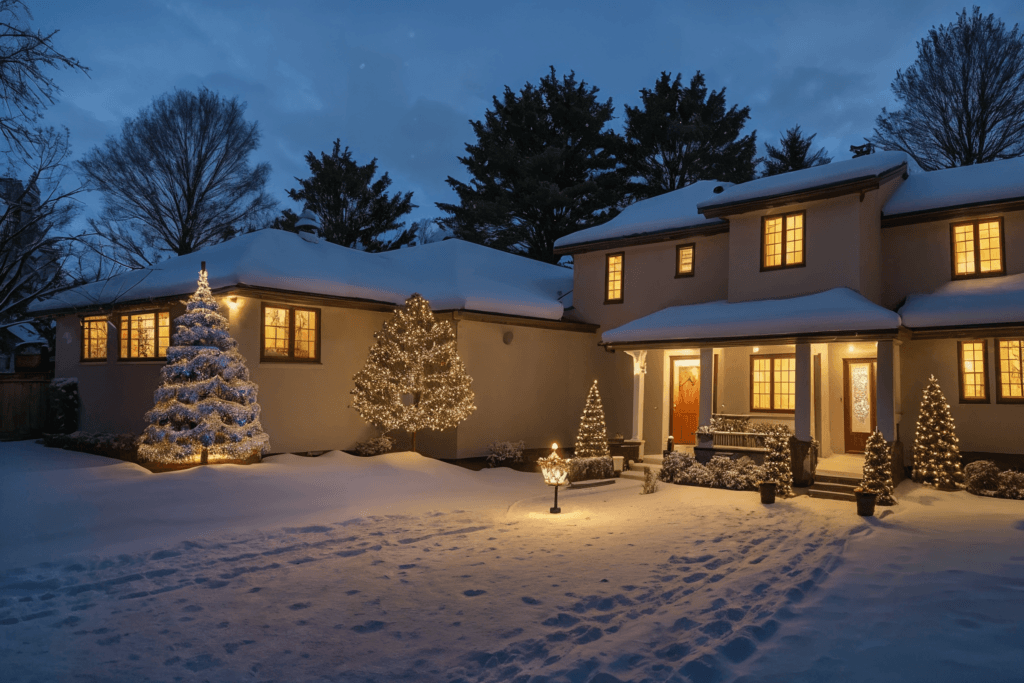
Are String Lights Designed for Winter Use?
The key factor in determining whether string lights can stay outside in winter lies in their design and rating. Here are some considerations:
- Outdoor-Rated Lights
String lights specifically designed for outdoor use are equipped to handle harsh weather conditions. Look for labels such as “weatherproof” or “water-resistant.” These lights are constructed with materials that can withstand moisture, wind, and fluctuating temperatures. - Durability of Components
Outdoor string lights typically have reinforced insulation around the wires, sealed sockets to prevent water ingress, and sturdy materials that resist cracking in cold weather. Avoid using indoor-only lights outside, as they are not built for exposure to snow or rain.
How to Prepare String Lights for Winter
Leaving string lights out in winter requires some preparation to protect them from damage. Follow these steps for a safe and effective setup:
a. Choose the Right Type of Lights
- LED Lights: These are the best choice for winter use. LED bulbs are energy-efficient, durable, and produce minimal heat, reducing the risk of overheating or damage from cold temperatures. They are also resistant to breaking.
- Weatherproof Lights: Opt for lights labeled for outdoor use. Weatherproof string lights are designed to withstand rain, snow, and freezing conditions.
b. Inspect the Lights Before Installation
- Check for frayed wires, cracked insulation, or damaged bulbs.
- Ensure the sockets are sealed and intact to prevent water from seeping in.
c. Protect Electrical Connections
- Use waterproof covers or enclosures for plugs and connections to keep them safe from snow, rain, and ice.
- Avoid leaving exposed connections on the ground where they may be submerged in water or buried under snow.
d. Secure the Lights
- Secure string lights tightly to structures using clips, ties, or hooks to prevent them from being blown away by strong winds or sagging under the weight of snow.
Benefits of LED String Lights in Winter
LED string lights are particularly well-suited for winter use due to their design and functionality. Here are some key benefits:
- Energy Efficiency
LEDs consume far less energy than traditional incandescent lights, making them ideal for prolonged use in winter months when electricity usage often increases. - Cold Weather Resilience
Unlike incandescent bulbs, LEDs are not affected by low temperatures. They perform efficiently even in freezing conditions. - Longevity
LED bulbs have a much longer lifespan than traditional bulbs, meaning they are less likely to fail during the season.
Avoid Common Winter Hazards
While string lights can be left outside in winter, you need to watch for common hazards that could compromise their safety or functionality:
a. Moisture and Snow Accumulation
- Ensure the lights and their connections are sealed against moisture. Water can cause short circuits or damage bulbs.
- Regularly check the lights for snow or ice buildup and gently remove it to prevent excessive weight on the wires.
b. Wind Damage
- Strong winter winds can dislodge or break string lights if not secured properly. Use heavy-duty clips or ties to keep them firmly in place.
c. Overloaded Circuits
- Avoid plugging too many strings together. Most string lights come with a recommendation for the maximum number of strands that can be safely connected. Exceeding this limit can overload circuits and create a fire hazard.
Maintenance Tips for Winter String Lights
To keep your string lights working well throughout winter, regular maintenance is key. Here are some tips:
- Inspect Regularly
Check your lights periodically for damage, loose connections, or blown bulbs. Replace any faulty components promptly. - Replace Damaged Bulbs
If a bulb breaks or burns out, replace it immediately. Leaving a broken bulb socket exposed increases the risk of moisture intrusion. - Store Carefully After Winter
Once the winter season ends, clean the lights and store them in a dry, cool place to prolong their lifespan.
Alternative Options for Winter Lighting
If you’re hesitant to leave string lights out all winter, consider alternatives that are equally effective and more durable:
- Solar-Powered String Lights
These lights charge during the day and illuminate at night, eliminating the need for electrical connections. Many solar lights are designed to handle cold weather. - Heavy-Duty Rope Lights
Encased in durable, weatherproof tubing, rope lights are highly resistant to moisture and snow. They are a great option for outlining walkways, railings, or trees.
FAQs About String Lights in Winter
Q: Can string lights freeze in winter?
No, string lights themselves do not freeze. However, moisture trapped in sockets or wiring can freeze, potentially causing damage if the lights are not weatherproof.
Q: How long can string lights stay outside in cold weather?
Outdoor-rated string lights can typically stay outside all winter. With proper care and maintenance, they should last throughout the season without issues.
Q: What happens if snow or ice covers the string lights?
While snow or ice generally doesn’t harm outdoor-rated lights, it’s a good idea to remove excessive buildup to prevent strain on the wires or sagging.
Safety Tips for Leaving String Lights Out in Winter
- Use GFCI Outlets
Ground Fault Circuit Interrupter (GFCI) outlets automatically shut off power if they detect water or moisture, adding an extra layer of safety. - Elevate Connections
Keep all electrical connections off the ground to prevent exposure to standing water or snow. - Avoid Overheating
Even though LEDs generate less heat, it’s essential to avoid clustering too many lights in one area to reduce the risk of overheating.
Creative Winter Uses for String Lights
String lights aren’t just for Christmas! Here are some creative ways to use them during the winter months:
- Illuminate Pathways
String lights can guide visitors through snowy paths or driveways. - Highlight Trees and Bushes
Add a magical glow to your yard by wrapping lights around bare trees or bushes. - Create DIY Decorations
Use string lights to create glowing sculptures, such as snowflakes or stars.
Conclusion
Yes, you can leave string lights out in winter if they are properly prepared and maintained. The key is to choose outdoor-rated lights, protect electrical connections, and regularly check for damage or snow buildup. By following these tips, your string lights will shine brightly throughout the cold season, adding warmth and charm to your outdoor spaces. Whether you use them for holiday cheer or simple winter ambiance, string lights are a versatile and beautiful addition to your home during winter.