
Are you deciding between string lights and rope lights but unsure which suits your needs better? With so many lighting options available, choosing the right one can be overwhelming, especially for outdoor decorations or indoor ambiance. In this article, we’ll break down the key differences, use cases, and benefits of both string and rope lights to help you make an informed choice.
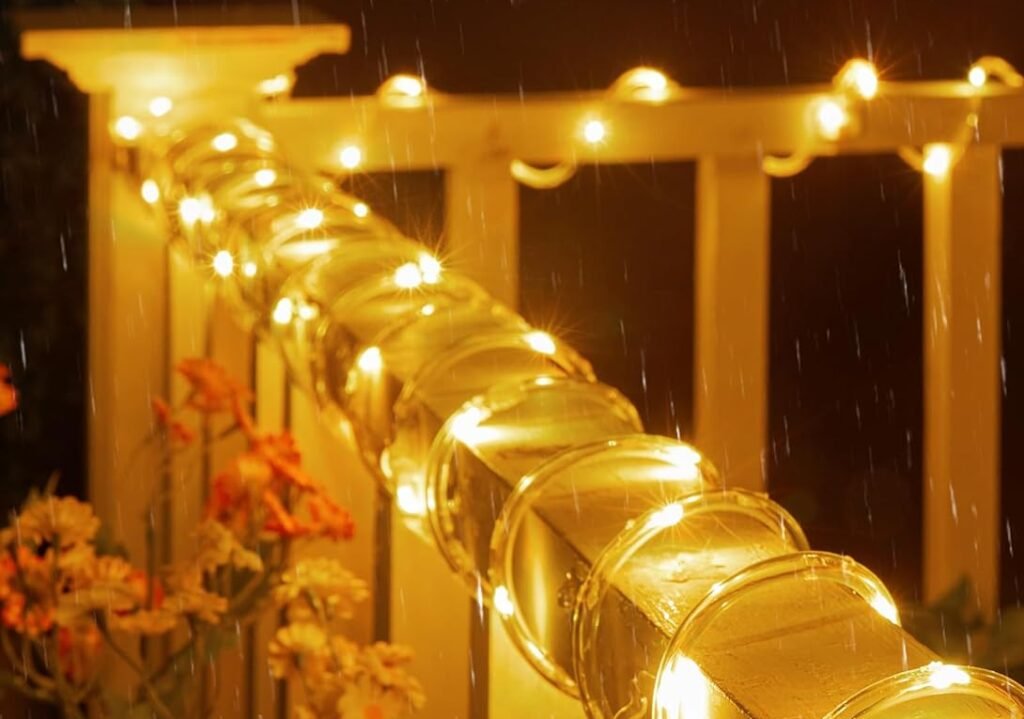
String lights feature individual bulbs strung along a wire, creating a whimsical and distinct look, perfect for decorative settings. Rope lights, on the other hand, encase LEDs within a plastic tube, delivering even illumination and a sleeker appearance. Each has its strengths for different spaces and purposes, depending on your aesthetic and functional needs.
Let’s explore the pros, cons, and ideal applications of both lighting types to see which is right for you.
What Are String Lights and How Are They Used?
String lights are a popular choice for both indoor and outdoor settings. These lights consist of a series of individual bulbs connected by a single wire. They come in various designs, from vintage Edison bulbs to colorful festive lights, making them a versatile option for enhancing any space.
- Best Uses:
- Decorating patios, gardens, or balconies.
- Adding ambiance to weddings and parties.
- Enhancing holiday decor like Christmas trees.
String lights are cherished for their aesthetic appeal. The separation of the bulbs allows them to create a charming, scattered glow that feels warm and inviting.
What Are Rope Lights and How Do They Differ?
Rope lights are composed of LEDs enclosed in a flexible, transparent PVC tube. This design creates a continuous, streamlined appearance. Unlike string lights, where the bulbs are separate, rope lights produce an even distribution of light along their entire length.
- Best Uses:
- Lining pathways, staircases, or ceilings.
- Highlighting architectural details.
- Replacing neon signs with a softer, modern look.
Their waterproof casing makes rope lights a preferred choice for outdoor use, offering durability in various weather conditions.
Key Differences Between String Lights and Rope Lights
Understanding the distinctions can help you choose the right lighting for your needs. Here are the primary differences:
| Feature | String Lights | Rope Lights |
|---|---|---|
| Design | Individual bulbs on a wire | Continuous LEDs in a plastic tube |
| Light Effect | Distinct, scattered glow | Even, streamlined illumination |
| Flexibility | Limited flexibility | High flexibility, ideal for tight spaces |
| Brightness | Moderate brightness | Generally softer, even light |
| Installation | Requires hooks or clips | Easily mounted with adhesive or clips |
What Are the Disadvantages of Rope Lights?
While rope lights are versatile, they do have some drawbacks:
- Low Brightness: Rope lights are less bright than string lights, making them unsuitable for tasks requiring strong lighting.
- Yellowing Over Time: Prolonged use may cause the PVC tubing to yellow, affecting the light quality.
- Installation Challenges: Their thickness can make them tricky to fit in tight or curved spaces.
Which Is Better: Rope Light or Strip Light?
When comparing rope lights to LED strip lights, rope lights often fall short in terms of brightness and flexibility. Strip lights, with their higher LED density and vibrant colors, are ideal for detailed lighting projects. However, rope lights remain a great choice for soft, decorative illumination.
Can You Use Rope Lights Outdoors?
Yes! Rope lights are excellent for outdoor use due to their durability and weatherproof construction. They’re commonly used for:
- Lining fences or pathways.
- Highlighting gardens or water features.
- Adding ambiance to outdoor gatherings.
When installing outdoors, ensure they’re connected to a weatherproof power source for safety.
Best Lighting Choice for Ceilings and Indoors
For ceiling and indoor applications, rope lights are a practical choice for hidden lighting, such as cove lighting or under cabinets. String lights, on the other hand, excel in visible setups like draped lighting over furniture or walls.
LED Efficiency: Watts Per Meter Comparison
Rope lights are energy-efficient, typically consuming around 2-3 watts per meter. String lights vary depending on the type of bulbs used, with LED string lights being the most efficient option.
Conclusion
Both string lights and rope lights offer unique benefits depending on your needs. String lights excel in creating a cozy, decorative ambiance, while rope lights provide even, sleek illumination for versatile indoor and outdoor use. Choose the option that aligns with your design goals and let your creativity shine!